The Cost of Empty Chairs: Optimizing Real-Time Rebooking
Back to the Future will live forever in the minds of fans everywhere. The Hollywood classic touched generations and continues to be instantly recognizable.
Saturday, 11:47 AM
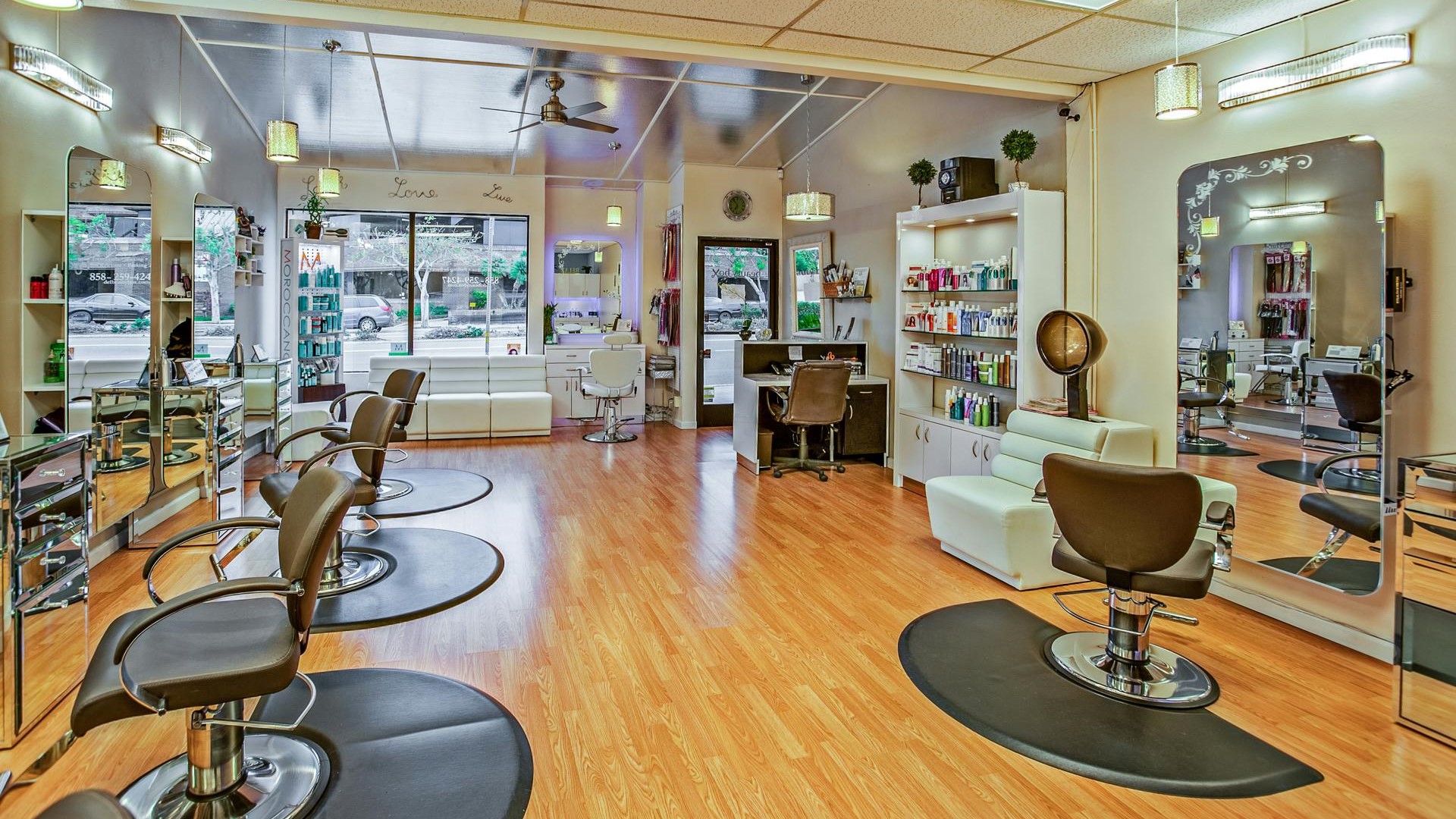
A customer walks into a Koregaon Park salon wanting a hair color appointment for 3 PM. The receptionist checks the register. "We're fully booked."
The customer leaves. At 2:30 PM, someone cancels. The 3 PM slot sits empty. ₹3,500 revenue, gone.
This happened 4 times that weekend at this salon.
Not because they lacked demand.
Because their booking system couldn't capture last-minute availability.
When we audited their operations :
No real-time slot visibility
Cancellations not auto-released for rebooking
Manual WhatsApp coordination for rescheduling
30%+ no-show rate (zero reminder automation)
Peak weekend slots wasted due to late cancellations
Reality :
They were turning away customers while operating at 60% capacity.
What we implemented
Real-time booking system (slots visible + bookable instantly)
Automated WhatsApp reminders (24hrs + 2hrs before)
Cancellation buffer (slots auto-open for immediate rebooking)
Smart scheduling (blocked staff breaks, optimized turnover time)
Outcome (within 30 days)
+42% increase in filled slots
No-show rate dropped to 8%
Weekend revenue up 35%(previously wasted slots now captured)
Staff focused on service, not phone tag
The real issue
Empty chairs don't mean low demand.
They mean your booking system can't move fast enough to match customer intent.
Question for salon owners
When someone cancels 2 hours before their appointment.
Does that slot automatically become bookable or does it just... disappear?
If it's the second, you're losing revenue to your own process.
Happy to walk you through how the auto-release system works.